
With more Connecticut homeowners turning their backyards into “foodscapes,” the question of how to protect those edible crops is more important than ever. While we often think of mulch for its aesthetic appeal around shrubs, the right organic mulch is a game-changer for your vegetable garden.
At North County Mulch, we get asked daily: “Is dyed mulch safe for my tomatoes?” or “What should I use to stop weeds in my raised beds?” Here is everything you need to know about choosing the right ground cover to boost your harvest and maintain soil health.
Why Mulching Your Garden is Non-Negotiable
In the erratic New England climate, mulch does more than just look neat. It serves three critical functions for edibles:
- Soil Moisture Retention: It prevents the sun from baking the soil, reducing your watering needs by up to 50%.
- Temperature Regulation: It keeps delicate roots cool during July heatwaves and warm during chilly May nights.
- Weed Suppression: A thick layer of mulch prevents weed seeds from germinating, meaning less competition for your vegetables.
The Top Choices for Edible Gardens
1. Premium Cedar Mulch
Cedar is a top-tier choice for vegetable gardens because of its natural longevity and insect-repelling properties. It breaks down slowly, meaning you won’t have to refresh it as often.
- Pro Tip: Cedar is excellent for long-season crops like peppers and eggplants.
2. Natural Hemlock Mulch
If you want that classic dark look without the dyes, Natural Hemlock is the answer. It is rich in tannins and provides a beautiful, organic aesthetic that is 100% safe for food crops. Explore our Natural Mulch Options here.
3. Compost-Mix (The “Living” Mulch)
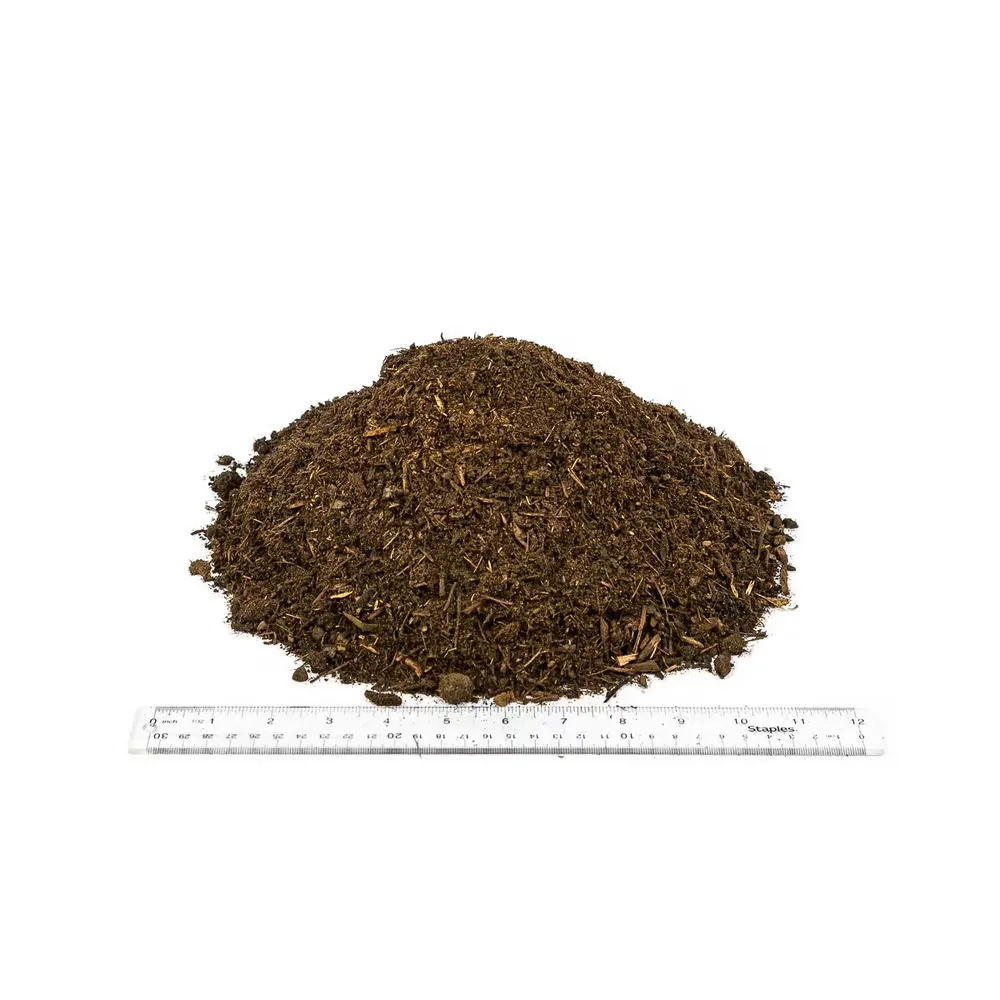
For the ultimate growth boost, many gardeners use our Garden Blend Soil as a “mulch” layer. This provides immediate nutrients to the plants while suppressing weeds.
Is Dyed Mulch Safe for Vegetables?
This is a common concern regarding soil toxicity. Most modern dyes are carbon or iron-oxide based and are generally considered safe. However, for a strictly organic vegetable garden, we always recommend sticking to undyed, natural wood chips or cedar. This ensures no unexpected additives interfere with your soil’s delicate ecosystem.
How to Apply Mulch to Edibles
Don’t just dump it! For the best results:
- Leave a Gap: Keep mulch 1–2 inches away from the actual stems of your plants to prevent rot.
- Depth Matters: Aim for a 2-to-3-inch layer. Too thin and weeds will poke through; too thick and water can’t reach the soil.
- Prep the Soil: Ensure you’ve leveled your area with high-quality Screened Topsoil before mulching to give your roots the best start.