
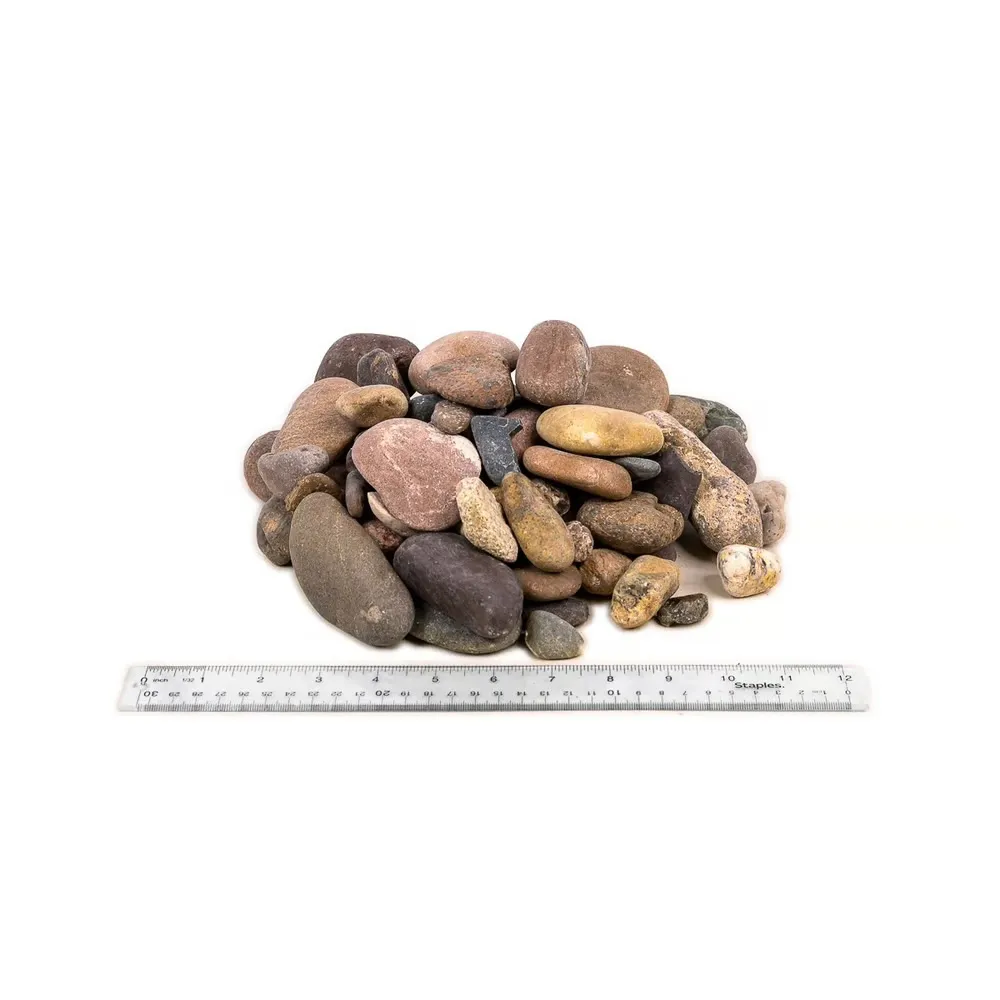
For interlocking pavers, use compacted crushed rock or Class 2 base as the structural layer, then add about 1 inch of screened bedding sand before setting the pavers. A walkway or patio usually needs 4 to 6 inches of compacted base, while a driveway or vehicle area usually needs 8 to 12 inches. Compact crushed rock in 3 to 4 inch lifts, not one thick dump, to prevent settling and sagging.
Why the Sub-Base Matters More Than the Paver
Most paver failures start below the surface. The paver may look strong, but the real load-bearing system is the compacted base underneath it. When the base is too thin, too sandy, or compacted in one loose layer, patios can dip and driveways can develop tire ruts.
At North County Mulch, we help contractors, landscapers, and high-end DIYers choose the right hardscape materials San Diego projects need before the first paver is set. The goal is simple: build a base that drains, locks together, and resists movement under foot traffic, patio furniture, and vehicles.
Crushed Rock vs. Screened Sand: Different Jobs
Crushed rock and screened sand should not be treated as interchangeable materials.
Crushed rock, crushed granite, gravel, and Class 2 base create the structural layer. These materials contain angular particles that lock together during compaction. That interlock spreads weight across the base and reduces movement.
Screened sand is the bedding layer. It is not the main structure. A thin sand layer helps level the pavers and fill tiny variations below each unit. Too much sand creates a soft cushion that can shift under pressure.
A strong paver system uses both materials in the right order: compacted native subgrade, compacted crushed rock base, screened bedding sand, pavers, joint sand, and edge restraint.
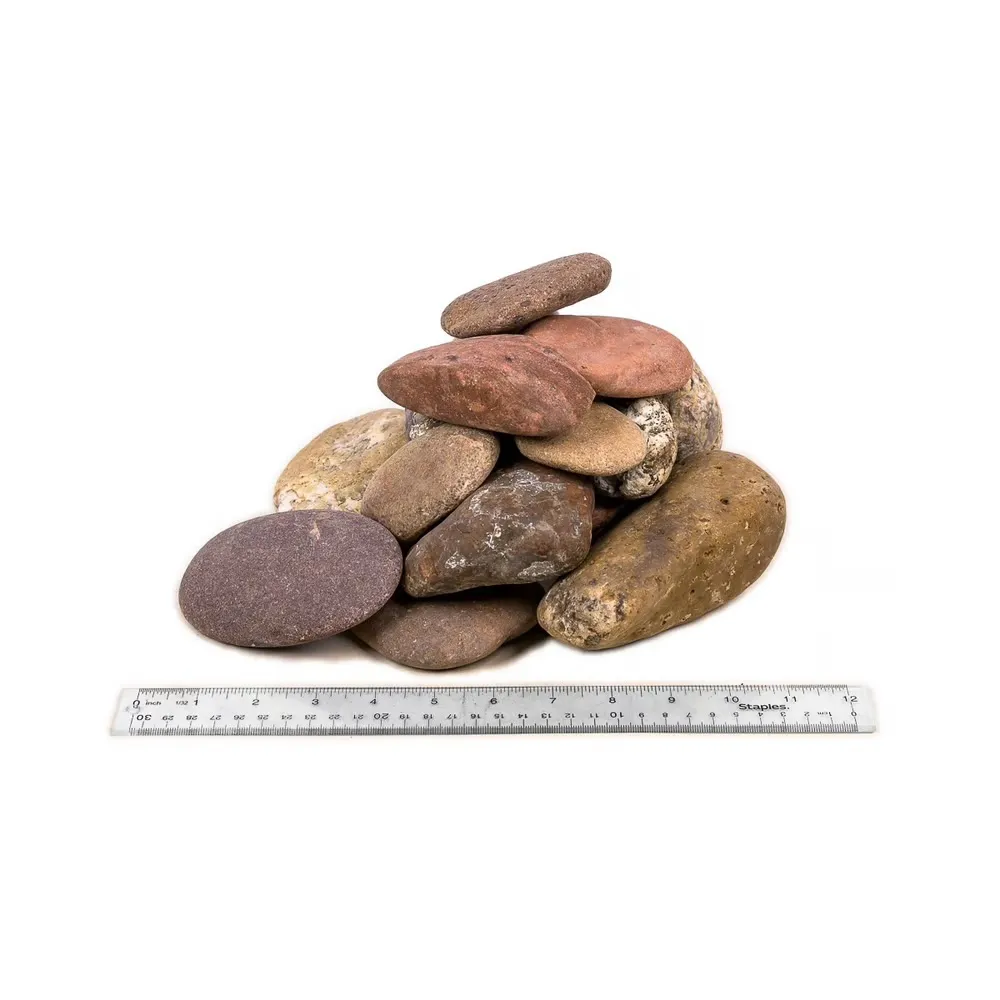
Recommended Paver Sub Base Thickness
Use these practical starting points for paver sub base thickness:
| Project Type | Compacted Crushed Rock Base | Bedding Sand Layer | Best Use |
|---|---|---|---|
| Walkway | 4 inches | 1 inch | Foot traffic |
| Patio | 4 to 6 inches | 1 inch | Seating, grills, outdoor living |
| Residential driveway | 8 to 12 inches | 1 inch | Cars and light trucks |
| Heavy use driveway | 10 to 12 inches or engineer reviewed | 1 inch | Repeated vehicle load |
| Poor soil area | Add depth as needed | 1 inch | Clay, fill, loose soil, wet zones |
For a crushed rock driveway, deeper base preparation matters. Vehicle weight creates repeated downward pressure, especially near garage aprons, turning areas, and parking spots. A thin base may look fine on day one, then settle after traffic and seasonal rain.
The Compaction Formula Contractors Should Use
Think in lifts, not total dumped depth.
If the final compacted base target is 8 inches, do not place 8 inches of rock at once. Place 4 inches, moisture condition it, compact it, then place the next 4 inches and compact again.
A simple field method:
- Excavate to the required depth, including paver thickness, bedding sand, and compacted base.
- Slope the area away from structures for drainage.
- Compact the native subgrade until it feels firm and stable.
- Place crushed rock in 3 to 4 inch loose lifts.
- Add light moisture so fines settle and bind.
- Compact each lift with a plate compactor.
- Repeat until the required base depth is reached.
- Screed 1 inch of screened sand as the bedding layer.
- Set pavers, install edge restraint, sweep joint sand, then compact the surface.
This process turns loose aggregate into a dense base that can carry load. Skipping lifts is one of the fastest ways to create future low spots.
When to Use Class 2 Base
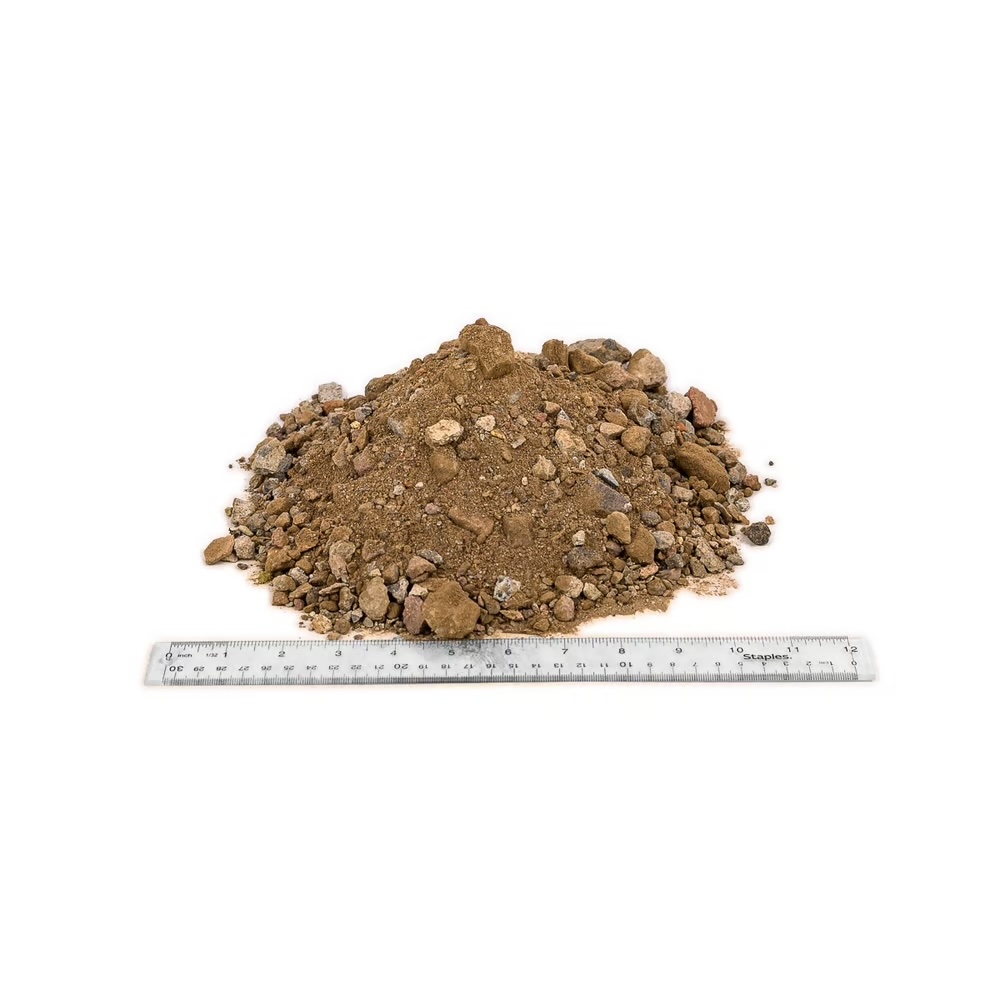
Class 2 base is a strong choice when the project needs structural support. It combines crushed rock and fines, which helps the material compact tightly. That makes it useful for paver patios, driveways, parking pads, road base prep, and building pads.
For contractors ordering sand and gravel delivery, Class 2 base can serve as the main foundation material, while washed or screened sand should be reserved for leveling, drainage uses, and bedding applications.
How Much Material to Order
For quick estimating, use this formula:
Area in square feet × depth in feet ÷ 27 = cubic yards
Example: a 600 square foot driveway with 8 inches of base.
600 × 0.67 ÷ 27 = about 14.9 cubic yards
Add a small overage for compaction, edges, cuts, grading correction, and jobsite loss. For larger commercial work, wholesale landscape supply orders should be calculated from final compacted depth, not just loose dumped material.
San Diego Soil and Drainage Considerations
San Diego hardscape projects often deal with slopes, dry-season dust, compacted native soil, and sudden stormwater movement. The base should be designed to move water away from the paver field, not trap it under the surface.
Use crushed rock or Class 2 base where load support matters. Use screened sand as a controlled bedding layer. Use gravel and granite where drainage, decorative edges, or surrounding landscape transitions are needed.
Order the Right Base Materials Before the Build
A clean paver installation starts with the right aggregate plan. North County Mulch supplies rock, sand, Class 2 base, gravel, topsoil, and bulk landscape material delivery for contractors, landscapers, and homeowners across the North County region.
Build the base correctly, and the finished paver surface has a better chance of staying level, locked, and ready for years of use.