
For homeowners with sloped landscapes, a heavy rainstorm can feel like a disaster in the making. When water picks up speed down a hill, it takes your expensive topsoil and mulch with it, leaving behind unsightly gullies and exposed roots.
At North County Mulch, we’ve helped countless property owners transition from “washout” to “washed in” by using the right combination of bulk materials. The secret to stopping erosion isn’t just about blocking waterit’s about slowing it down and giving it a place to go.
Here is how to use decorative stone to stabilize your slopes and protect your yard.
1. Choose the Right Material: Size Matters
When it comes to erosion control, small, lightweight stones (like pea gravel) are easily swept away. To anchor a slope, you need “heavy” solutions.
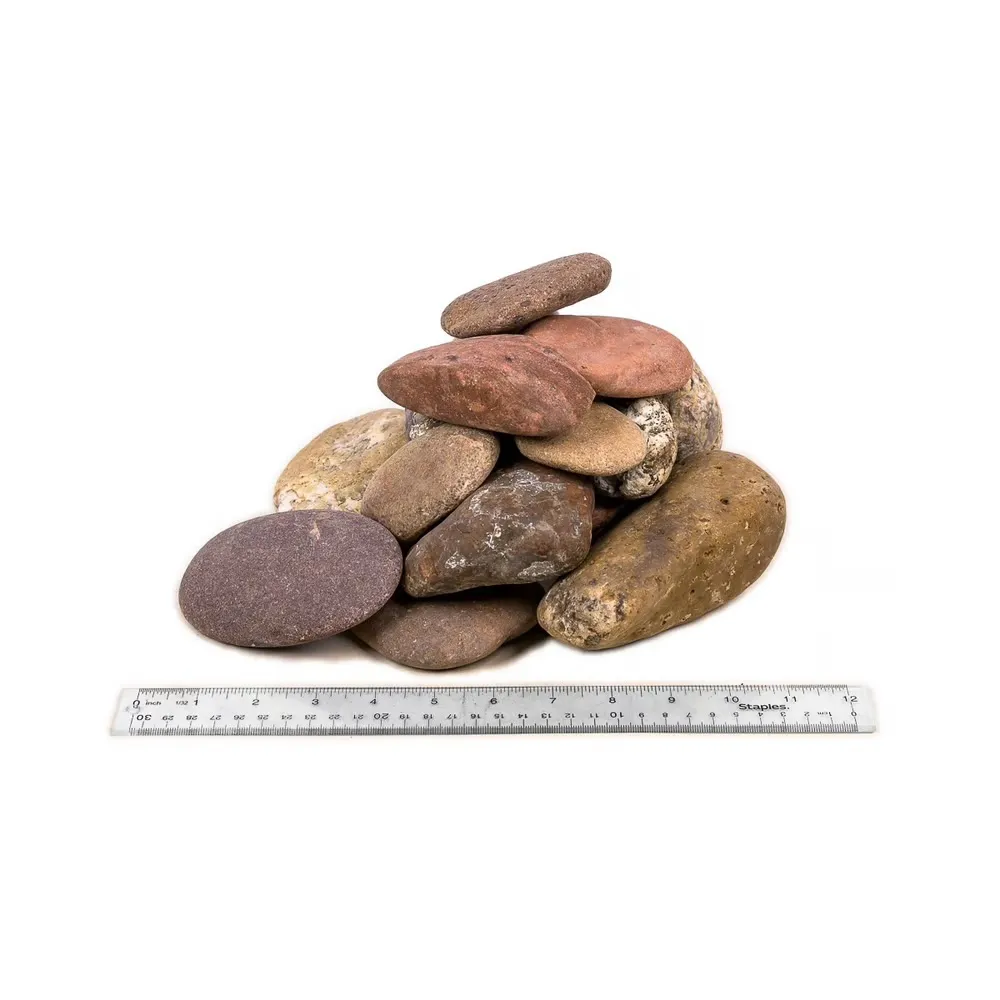
- River Rock: Larger river rocks are ideal because their varied shapes lock together, creating a rugged surface that breaks the momentum of rushing water.
- Crushed Stone: Unlike smooth stones, the jagged edges of crushed stone provide excellent friction, making them less likely to slide down a steep grade.
2. Create a “Dry Creek Bed”
A dry creek bed is one of the most effective ways to manage runoff while adding a beautiful focal point to your landscape.
- The Strategy: Dig a shallow trench following the natural path where water flows. Line it with heavy-duty landscape fabric, then fill it with a mix of larger stones and decorative stone to mimic a natural stream.
- The Result: Instead of water carving a path through your lawn, it is channeled safely through the stones and away from your home’s foundation.
3. The Foundation: Don’t Skip the Fabric
If you place stone directly on a sloped dirt bank, the stones will eventually sink into the mud or get bypassed by water flowing underneath.
- Always start with a high-quality filter fabric. This allows water to soak into the ground while keeping your stone and topsoil in their proper places.
4. Combine Stone with “Structural” Mulch
On less aggressive slopes, you can blend stone with mulch for a more natural look. However, avoid lightweight wood chips.
- Our triple-shredded mulch is preferred for sloped areas because the fine fibers mat together, creating a “blanket” that resists sliding. Using stone at the base of these mulched areas (the “toe” of the slope) provides a sturdy anchor to keep the mulch from migrating into your driveway or street.
5. Terrace with Larger Boulders
For very steep hills, stone alone might not be enough. Creating small “terraces” or mini-retaining walls using larger boulders can break a long slope into several shorter, manageable levels. Fill these levels with a mix of screened topsoil and hardy plants to further knit the ground together with root systems.
Ready to Stop the Washout?
Erosion doesn’t just look bad-it can threaten the structural integrity of your property. Whether you need a truckload of river rock to build a drainage channel or premium mulch to anchor your garden beds, North County Mulch has the bulk materials to get the job done right.
Protect your property today. Browse our stone selection online or call our team to discuss your project needs!