
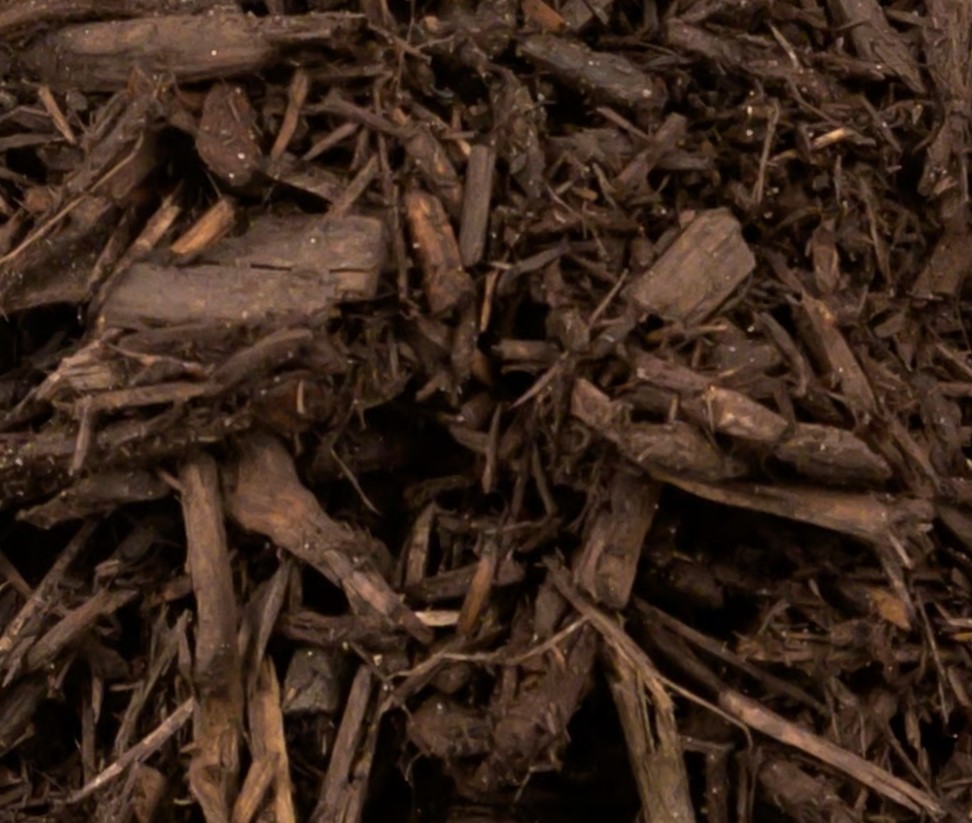
Wildfire risk is no longer limited to remote forests—it’s a growing concern for suburban and residential landscapes as well. One of the smartest and most cost-effective ways to protect your home is by creating a “zero-scrape” fire buffer using mulch. With the right materials and installation techniques, you can reduce fire risk while still maintaining a clean, attractive yard.
At North County Mulch, we help homeowners choose the safest and most effective mulch solutions for both beauty and protection.
What Is a “Zero-Scrape” Fire Buffer?
A “zero-scrape” fire buffer is a defensible landscaping zone designed to minimize combustible materials near structures—without stripping your yard down to bare soil. Instead of removing all organic material, you strategically use fire-resistant mulch and proper spacing to slow or stop fire spread.
This approach aligns with modern defensible space landscaping practices, helping reduce ember ignition and radiant heat exposure.
Why Mulch Matters in Fire-Resistant Landscaping
Mulch plays a major role in fire behavior near your home. While traditional wood mulch is popular, it can be flammable under dry conditions. Choosing the right type of mulch is critical.
Best Mulch Options for Fire Buffers
- Gravel or stone mulch – Highly fire-resistant and ideal for areas closest to your home
- Composted mulch – Breaks down faster and retains moisture, making it less flammable
- Hardwood mulch (aged) – Safer than fresh bark due to lower resin content
Avoid:
- Pine bark mulch
- Rubber mulch
- Shredded bark with high oil/resin content
Learn more about mulch options on our mulch products page.
How to Create a Zero-Scrape Fire Buffer with Mulch
1. Start with the 0–5 Foot Zone (Critical Area)
This is the most important fire-resistant zone.
- Use non-combustible mulch like gravel or decomposed granite
- Keep this area free of dry leaves, pine needles, and debris
- Avoid placing mulch directly against siding—leave a small gap
2. Transition to Fire-Resistant Organic Mulch (5–30 Feet)
Beyond the immediate perimeter, you can incorporate organic mulch safely.
- Use composted or aged hardwood mulch
- Keep mulch depth at 2–3 inches max
- Space plants to prevent continuous fuel paths
This layer helps retain soil moisture while reducing ignition risk.
3. Maintain Proper Mulch Moisture
Dry mulch ignites faster. Keep it slightly moist:
- Water mulch during hot, dry periods
- Replace old, dry mulch regularly
- Avoid excessive buildup
4. Combine Mulch with Hardscaping
Fire buffers work best when combined with non-flammable features:
- Stone walkways
- Gravel borders
- Concrete edging
These elements break up fuel continuity and enhance curb appeal.
5. Routine Maintenance Is Key
Even the best mulch setup can become a fire hazard without upkeep.
- Remove debris weekly
- Refresh mulch annually
- Inspect for dry patches or compacted areas
Benefits of a Zero-Scrape Mulch Fire Buffer
- Reduces wildfire risk near structures
- Maintains a clean, finished landscape look
- Improves moisture retention and soil health
- Supports defensible space compliance
- Cost-effective compared to full hardscaping
Pro Tips from North County Mulch
- Use layered zones instead of one mulch type everywhere
- Keep mulch at least 6 inches away from foundations
- Avoid piling mulch too thick—it increases heat retention
- Choose locally sourced mulch for better performance in your climate
Protect Your Home with North County Mulch
Creating a “zero-scrape” fire buffer doesn’t mean sacrificing your landscape’s beauty. With the right mulch choices and proper installation, you can build a yard that’s both fire-conscious and visually appealing.
For high-quality mulch products and expert guidance, trust North County Mulch to help you design a safer outdoor space.